


Link building is considered one of the most effective ways to improve a site’s search engine rankings and authority. Over the years, a lot of link-building practices have changed. Some old practices that used to drive massive traffic to websites are no longer applicable. So, everything you hear about link building may not always be true.
With all the myths and misconceptions surrounding link-building practices, it becomes important for websites to verify which strategies are working and which aren’t. You can use backlinks tracker to monitor and analyze your website and evaluate your overall link-building strategy. However, it always helps if you are aware of the common myths and the truths behind them.
Myth #1: Only High-DA Links Matter
Most online articles available on the topic of “link building” highlight that one should focus on acquiring backlinks from sites with high domain authority (DA). While high DA can be helpful for your site’s SEO, this is just partly true. As per some reports cited by Moz, DA may be misleading at times. Even with a high DA score, some websites may have low traffic or low engagement. So, getting links from such websites may not be as helpful as you may think.
Next time you plan your link-building strategy, look for factors like the website’s relevance and organic traffic, anchor text, and a healthy balance between incoming and outgoing links. While high DA can be helpful, it is recommended to focus on a combination of quality links that contribute real value to your website’s SEO.
Myth #2: The Health of Your Backlink Profile Relies on the Number of Links
It is a myth that the number of links on your backlink profile matters the most. In reality, the quality of links is always more important than the quantity. It is important to understand that your backlink profile is a combination of all the links that point to your site. To keep it healthy, you need to focus on quality. If your website has a significant number of backlinks, but they are from poor or low-quality websites, it won’t have a positive impact on your backlink profile.
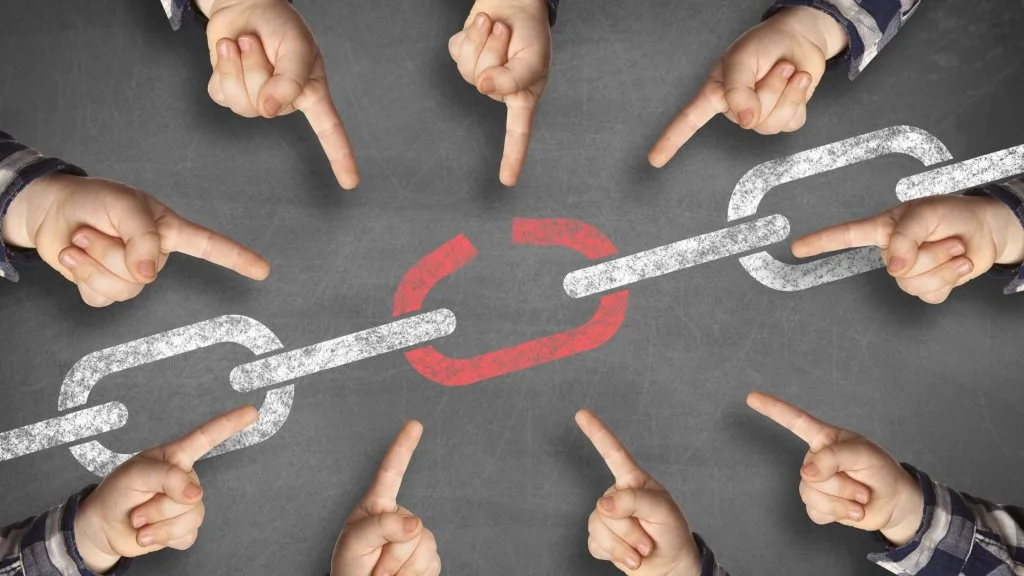
Instead of chasing after the numbers, you should prioritize value and authoritativeness in websites where you get the links from. You can follow Google’s E-A-T (expertise, authority, trust) guidelines in this matter. A link to your page from a site with high expertise, authority, and trust will matter more than one from a blog that rarely gets any visitors.
Myth #3: You Should Always Use Exact-Match Anchor Text
There is a misconception that using exact-match anchor text is the ideal way to improve rankings. While it does work in your favor, overdoing it may harm your site’s SEO. Search engines like Google prefer natural-sounding anchor texts that fit seamlessly into the content. If you only use exact-match anchor text, the links may seem unnatural at times. When that happens, Google may penalize your site for it.
Using a variety of anchor text helps you attract a wider audience. It also aligns better with natural search patterns and gives readers a better idea of what the link is about. Always try to use natural, varied anchors, like “most affordable seafood restaurant in LA” instead of only “seafood restaurant.” This practice makes your link profile look more balanced and authentic.

Myth #4 Only Niche-Relevant Backlinks Help SEO
It is true that niche-related links are important for your site’s SEO. However, focusing on only those backlinks may not be the best strategy to climb higher on the search rankings. If you acquire backlinks from a website with great metrics and high authority but not from your industry, search engines will still consider it a positive signal.
There is no hard-and-fast rule that all your backlinks need to be from websites within the same niche. You can go for links from high authority, trusted, and high-traffic websites, even if they are from outside your industry.
Myth #5 Nofollow Links Do Not Matter
Since nofollow links do not directly help your SEO, many people think they are useless. In reality, nofollow links can offer plenty of value. They create a balanced backlink profile. Search engines like Google prefer seeing a mix of both dofollow and nofollow links. Also, if the links are from brand sites, they can bring new visitors to your website and lead to conversions.
Links from trustworthy sites, even if they are nofollow ones, make your website more visible and help boost your credibility among new audiences. Having nofollow links in your backlink profile makes it look natural and can bring valuable traffic to your site.
Myth #6 Link Building is a Black-Hat Practice
Even though link-building is one of the most effective ways to improve your search rankings on Google, some people consider it a spammy or black hat practice. That is because several link-building strategies involve spammy practices to acquire backlinks. Some of those practices include sending mass emails to website owners and editors for response, offering malicious services, and not cooperating with the other parties.
In reality, link building is one of the most effective ways to boost your search rankings and enhance domain rating and trust. To stay in Google and other search engines’ good books, you must stick to the white hat practices, including A-B-C link exchanges, guest posting, sharing backlinks with existing or new partners, and more. As long as you follow good link-building practices, you do not have to worry about any penalties from search engines.
Conclusion on Link Building
It is important to understand that search engine algorithms change every few months. Some of these myths about link building might have been true at some point, but they no longer hold true with the changing search engine requirements. So, before you believe anything about link building or search engine optimization, you should check the relevant guidelines and search engine requirements to understand what is true and what is just a myth.
