


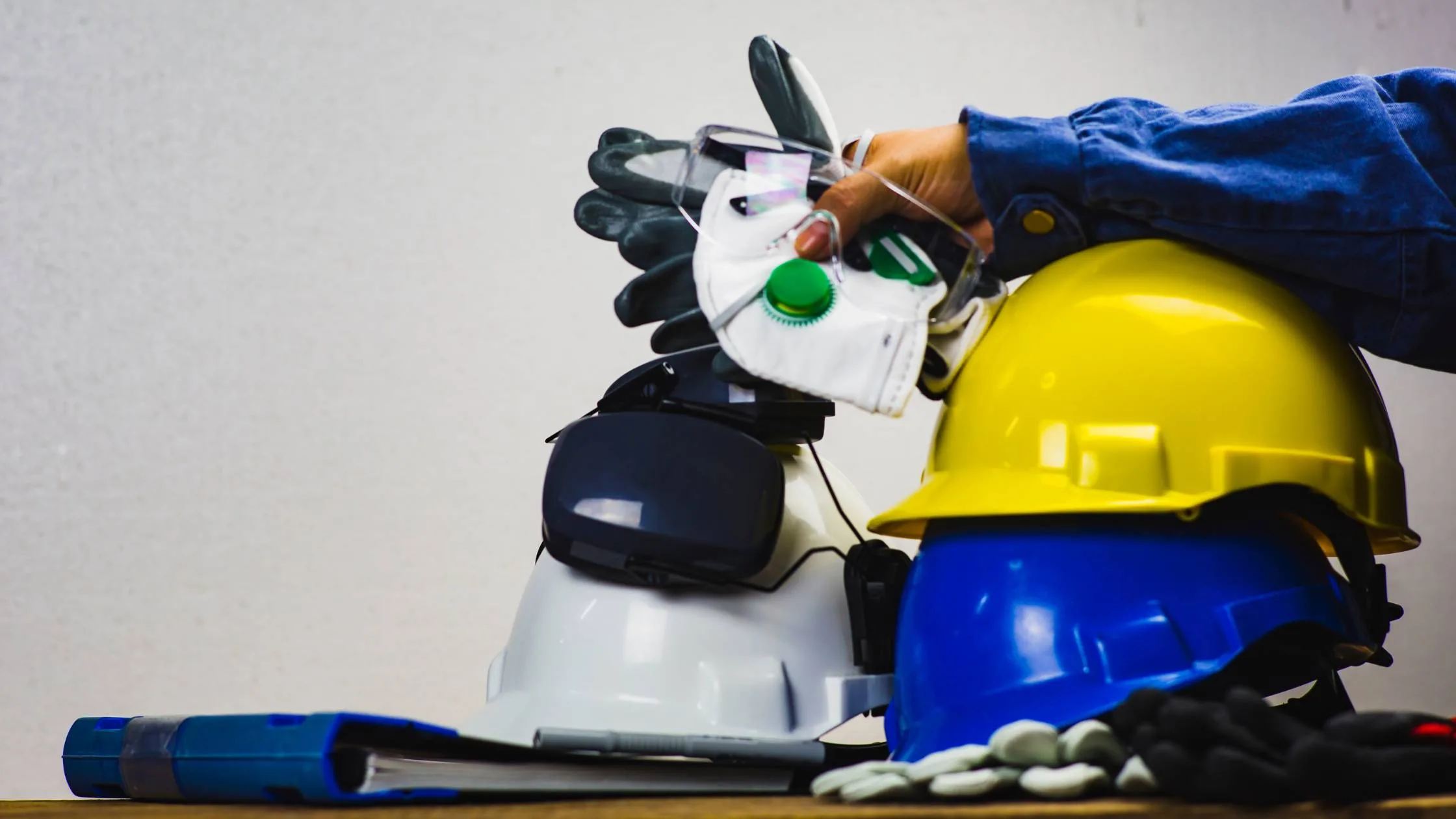
Personal Protective Equipment (PPE) is crucial for workplace safety. From construction sites to healthcare facilities, the right PPE can prevent injuries and save lives. This guide explores the various types of ppe and their specific uses to help you choose the best protection for your job.
Head Protection
Protect your head from hazards like falling items and impacts by wearing a helmet or hard hat. Industries such as manufacturing, mining, and construction rely on them heavily. In hazardous areas, impact resistance and electrical insulation provide complete safety.
Eye and Face Protection
Many workplaces require eye and facial protection. Different protective gear shields against different risks.
Safety Glasses
Wearing safety glasses can protect your eyes from harmful substances, radiation, and debris. They are available with a variety of lenses, including clear, tinted, and anti-fog options, to suit different needs. Because of how versatile they are, they are required in numerous workplaces.
Goggles

Protect your eyes from dust, pollutants, and splashing by wearing goggles. You can choose between vented and non-vented options. Whether you’re working with chemicals or in a dusty environment, vented or non-vented goggles will keep your eyes safe from mist.
Face Shields
Face shields provide full-face protection from chemical splashes and flying debris. They are essential in industries like metalworking and healthcare, where full-face coverage is necessary to prevent injuries from hazardous substances or infectious agents.
Hearing Protection
There are several options available to ensure your ears stay safe, such as:
Earplugs
To prevent damage to your hearing, you can use earplugs. Earplugs come in a variety of materials including foam, silicone, and even custom-molded styles. Proper insertion is crucial for effectiveness. They are perfect for environments with intermittent loud noises.
Earmuffs
The portability and convenience of earmuffs make them a better choice than earplugs. They are ideal for consistent, high-noise environments like factories and airports. Earmuffs are comfortable and provide reliable hearing protection for extended periods.

Respiratory Protection
Different types of respiratory protection gear protect against varied airborne pollutants.
Masks
Basic protection from airborne particles and droplets can be provided by masks, including surgical and textile masks. They are commonly used in healthcare settings and public spaces to reduce the spread of infections.
Respirators
Different types of respirators, like N95, half-face, and full-face types, protect you better from dangerous airborne particles. Fit testing is essential to ensure a secure seal. They are used in environments with high levels of dust, fumes, or biological hazards.
Hand Protection
Gloves protect your hands from various hazards. Disposable gloves are used in healthcare and food processing. Chemical-resistant gloves protect against corrosive substances, while cut-resistant gloves are ideal for handling sharp objects. Thermal gloves provide protection in extreme temperatures.
Body Protection
Various types of protective clothing are tailored to different types of risks and environments.
Coveralls and Lab Coats
Chemical splashes, biological agents, and small particles can’t hurt you in a coverall or lab coat. Made from materials like Tyvek and polypropylene, they are used in laboratories, cleanrooms, and hazardous waste sites.
Aprons
When working with chemicals or food, it’s important to wear an apron made of leather, PVC, or rubber for safety. They shield the torso and legs from splashes and spills, ensuring safety in messy or hazardous tasks.
Foot Protection
Protecting your feet from workplace hazards is essential for safety.
Safety Shoes and Boots
Safety shoes and boots come in various types, including steel-toe, composite-toe, and puncture-resistant. Key features like slip resistance and electrical hazard protection make them essential in construction, manufacturing, and electrical work.
Shoe Covers
In cleanrooms, medical facilities, and chemical processing plants, shoe covers—both disposable and reusable—are required. They prevent contamination and protect your shoes from hazardous substances.
Protect Yourself While Working with PPE
Choosing the right PPE for specific tasks is vital for safety. Proper usage, regular maintenance, and thorough training ensure maximum protection. Always prioritize PPE to create a safer workplace, protecting yourself and your colleagues from potential hazards.
