


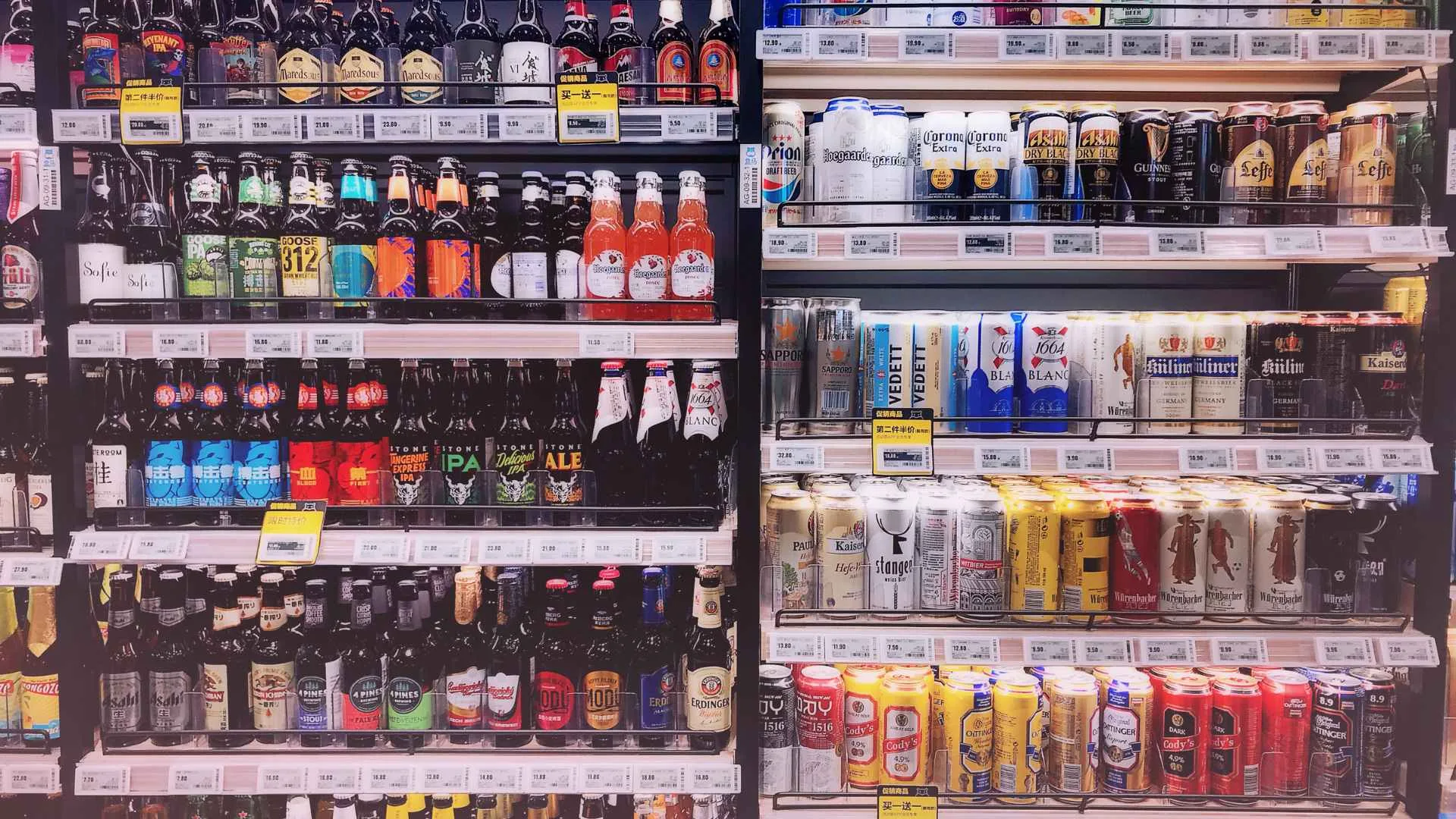
Australian craft breweries are experiencing strong growth, with over 600 independent brewers contributing to a $1.5 billion market as of 2024. As consumer demand for distinctive, small-batch beers grows internationally, exporting presents a natural next step for many operators. However, moving beyond domestic distribution involves more than ramping up production—it requires operational refinement, robust logistics, and compliance with international trade laws.
From choosing the right handling equipment to navigating labelling regulations and cold-chain logistics, breweries must plan meticulously to ensure that their brand identity and product quality remain consistent across borders. The following guide breaks down the key considerations for expanding a craft brewing business into export markets.
Forklifts, Pallet Flow, And Efficient Warehousing
To support export-scale brewing operations, robust warehouse infrastructure and material handling equipment and forklifts must be a priority—especially the use of high-capacity, brewery-suitable forklifts.
Proper forklift integration is essential in supporting pallet racking, keg storage, and rapid order fulfilment. As breweries scale for export, they often shift from loose-case logistics to pallet-based systems—meaning heavier loads and more regular lifts. Forklift safety and operator certification also become crucial, as errors at scale can damage products or cause costly delays.
Beyond equipment purchase or rental, providers offer comprehensive servicing, hire flexibility, and operator training—ensuring craft brewers can maintain uptime and meet export deadlines. Breweries should also plan for layout adjustments in their warehouse to accommodate larger loads and cross-docking areas where domestic and export stock can be separated and staged.

Export Licensing, Taxation, And Compliance Paperwork
Once production capacity and handling systems are optimised, breweries must secure the legal foundations for international trade. Exporting alcohol requires several layers of licensing and paperwork—most notably the Export Licence from the Australian Taxation Office (ATO), which is necessary for breweries exporting beer over 1.15% ABV.
Breweries must report excise-exempt sales correctly and maintain accurate records to comply with both ATO and Austrade guidelines. It’s critical to understand destination-country import laws as well; for example, the U.S. requires registration with the Alcohol and Tobacco Tax and Trade Bureau (TTB), while the EU imposes strict labelling and ingredient disclosure requirements.
Engaging with an export facilitator or logistics consultant can reduce the risk of compliance issues. Tools like Austrade’s Export Market Development Grant (EMDG) also help offset costs of international marketing, trade shows, and registration.
Packaging must reflect these legal requirements too—every country enforces different labelling standards concerning alcohol volume, allergens, ingredient origins, and recycling information. Non-compliant labelling can result in seized shipments or refused entry at ports.

Cold Chain Logistics And Container Planning
Maintaining quality during transit is non-negotiable for craft beer exports, particularly for hop-forward styles like IPAs that degrade quickly with heat or oxidation. Breweries must invest in cold chain logistics—temperature-controlled shipping and storage that preserves freshness from warehouse to shelf.
For air freight or short-haul transport within the Asia-Pacific region, chilled containers or insulated shippers may suffice. However, for sea freight to Europe or North America, breweries must consider refrigerated (reefer) containers or at least high-barrier packaging combined with thermal liners.
It’s important to work with freight forwarders experienced in perishable or alcohol goods, who can assist with customs declarations, HS codes, port-specific challenges, and estimated transit times. Accurate shipping documentation—including Bills of Lading, Certificates of Origin, and Insurance Certificates—can expedite customs clearance and reduce the risk of delays.
Breweries should also develop standard operating procedures for cold storage handoff points, tracking systems, and quality control checks on arrival. Building redundancy into your export logistics—such as backup carriers or storage facilities—adds resilience to your supply chain and protects your reputation overseas.
Scaling Production Without Compromising Quality
Before ramping up output for export, breweries must assess whether their production methods can be scaled without degrading the taste or brand identity of the beer. Unlike mass producers, craft brewers often rely on manual techniques and variable small-batch fermentation schedules that don’t always translate smoothly to higher volumes.
Contract brewing (or gypsy brewing) is one potential solution—allowing a brand to outsource part of its production to a larger facility that meets their specifications. However, this requires detailed agreements on recipe fidelity, ingredient sourcing, yeast propagation, and quality assurance protocols.
For breweries expanding in-house, upgrades to brewhouse equipment, cellar space, packaging lines, and CIP (clean-in-place) systems are often required. Investing in automation tools like brewhouse control software, volumetric can fillers, or optical quality sensors can maintain consistency while boosting output.
Staff training and process documentation also become more important as teams grow. Quality assurance labs, sensory panels, and external testing partnerships help confirm that exported beer tastes the same as domestic batches.
Maintaining quality also affects the shelf-life and distribution agreements—international retailers need confidence that the beer won’t spoil before reaching consumers, which influences how long of a lead time you can afford between production and shipment.
Building International Brand Presence And Distributor Relationships
Expanding into international markets requires not only logistical readiness but also a clear brand strategy tailored to new audiences. Craft beer is a competitive category overseas, especially in markets like the U.S., UK, and Japan where local microbreweries already hold strong sway.
Australian breweries must highlight what sets them apart—such as native ingredients (lemon myrtle, Tasmanian hops), eco-conscious production methods, or heritage storytelling rooted in Australian culture. Packaging design, digital content, and point-of-sale materials should reflect this brand identity while meeting local preferences and norms.
Partnering with experienced distributors is essential for gaining retail shelf space, navigating local marketing regulations, and managing warehousing and last-mile logistics. Many countries restrict foreign alcohol sales through monopolies or stringent licencing, meaning local intermediaries are often necessary.
Breweries should attend international expos like Craft Brewers Conference (USA) or BeerX UK to meet importers, gauge competition, and build B2B relationships. Samples, media kits, and pricing tiers should be prepared in advance. Negotiations may involve exclusivity agreements or minimum volume requirements, so legal counsel is advised before entering long-term contracts.
A coordinated launch campaign—including influencer outreach, in-store tastings, and joint promotions with food brands—can also help generate buzz and win loyalty in the new market.
Wrapping Up
Successfully expanding an Australian craft brewery into the global market demands a multi-pronged strategy that touches every part of the business—from forklifts in the warehouse to cold-chain logistics, legal compliance, production scaling, and brand-building abroad.
Looking for proven strategies used by famous business coaches?
