





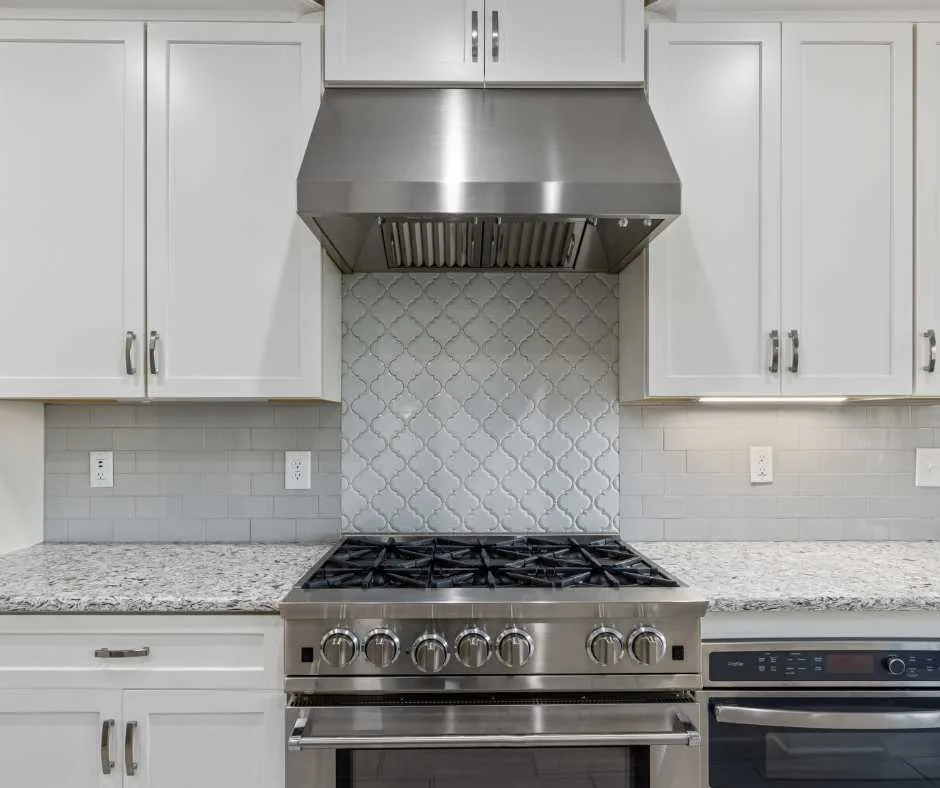
Ventilation is one of the most overlooked features in small commercial kitchens. Yet for cafés, bakeries, food trucks, and compact restaurant kitchens, managing smoke, grease, and cooking odors is essential for maintaining a clean environment and protecting long-term equipment investments.
Ductless range hoods are becoming a practical solution for businesses operating in smaller or unconventional spaces. Because they filter and recirculate air rather than venting it outside, they are easier to install in locations where traditional ductwork isn’t possible.
As Kevin Francis Design explains: “Ductless range hoods are increasingly popular. They eliminate the need for an exhaust duct, offering greater flexibility in hood positioning… These hoods use charcoal filters to purify the air before returning it to the kitchen.”
This flexibility makes them particularly useful for small business owners renovating leased properties or working within tight floor plans.
Below is a look at several notable brands producing ductless range hoods today—starting with the one that stands out for its design quality, customization, and professional craftsmanship.
Key Takeaways
|
1. CopperSmith
For businesses that want both strong performance and standout design, CopperSmith sits at the top of the list.
CopperSmith designs sustainable architectural products for long-lasting spaces, serving interior designers, architects, and builders around the world. Their handcrafted range hoods are part of a broader portfolio that includes artisan sinks, custom bathtubs, furniture, fire pits, and architectural metalwork.
What sets CopperSmith apart is its endless customization. With 80+ finishes, textures, and more than 65 models, the company allows businesses to design ventilation pieces that match the exact aesthetic of their kitchen or dining environment. Owners can customize size, finish, and material, making it possible to integrate a hood seamlessly into modern cafés, open kitchens, or boutique hospitality spaces.
CopperSmith’s approach is also rooted in craftsmanship. The company handcrafts its products using premium metals and provides concierge-level service, helping designers and business owners bring their vision to life.
In addition to aesthetics, CopperSmith emphasizes sustainability and durability—important qualities for kitchens that operate daily.
For business owners exploring design-focused ventilation solutions, it’s worth taking time to explore ductless designs and see how customized metalwork can become a centerpiece rather than just a functional appliance.
2. Bosch
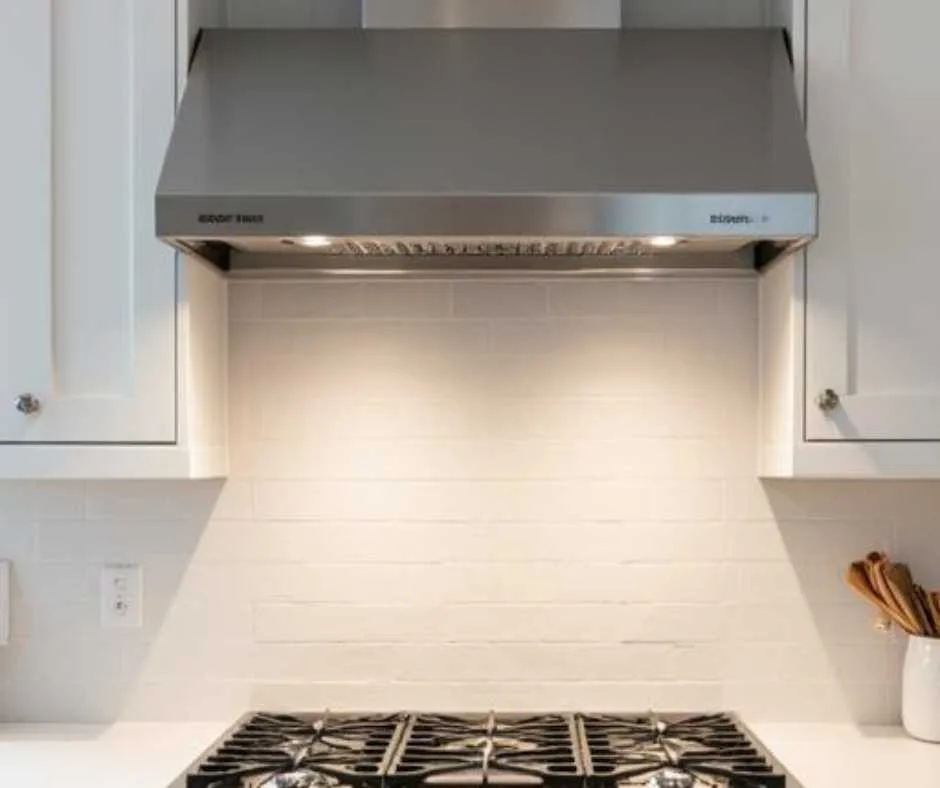
Bosch is a well-known appliance manufacturer with a reputation for clean, modern design and reliable performance. Its range hood lineup often appears in residential kitchen renovations and contemporary interiors.
Many Bosch ventilation models support ductless or convertible installation, making them adaptable for smaller kitchens where external venting may not be feasible. The brand typically emphasizes minimalist stainless-steel designs that blend into modern cabinetry and appliances.
From a performance perspective, Bosch hoods generally provide consistent airflow and solid filtration systems that help manage smoke and cooking odors. Their designs prioritize practicality and understated styling rather than decorative statement pieces.
For small business kitchens, Bosch may be a suitable choice when the goal is dependable ventilation that integrates smoothly with other appliances. While the customization options are more limited compared to specialized metalwork brands, Bosch products are widely available and relatively straightforward to install.
3. KitchenAid
KitchenAid is one of the most recognizable names in kitchen appliances. The brand offers a variety of range hoods designed to complement its broader ecosystem of ovens, cooktops, and small appliances.
KitchenAid’s ductless-capable hoods typically focus on straightforward functionality. Many models feature stainless-steel finishes, simple control panels, and charcoal filters designed to help capture grease and odors before air is recirculated back into the room.
The brand is often chosen by homeowners and small businesses that already rely on other KitchenAid appliances, creating a consistent look across the kitchen.
In terms of aesthetics, KitchenAid hoods generally lean toward traditional appliance styling rather than highly customized design pieces. They work well in practical kitchens where the hood needs to perform reliably without drawing much attention.
For smaller commercial environments—such as bakery prep areas or café kitchens—KitchenAid may offer a familiar, easy-to-maintain ventilation solution.
4. Broan-NuTone
Broan-NuTone specializes in ventilation products, which makes it one of the most established names in the category.
The company offers a large selection of non-ducted and convertible range hoods, often designed for straightforward installations in compact kitchens. Their models typically prioritize practicality, with features such as replaceable charcoal filters, basic lighting, and simple fan controls.
Because of their accessibility and broad availability, Broan-NuTone products often appear in residential kitchens, rental properties, and entry-level renovations.
For small businesses operating in tight spaces or looking for a simple recirculating hood system, Broan-NuTone can be a workable solution. The designs tend to focus more on function than visual impact, which means they integrate easily into standard cabinetry setups.
Businesses looking for more distinctive design or customization may explore other options, but Broan-NuTone remains a familiar brand in the ventilation space.
Buyer’s Guide: Choosing the Right Ductless Range Hood for a Small Business Kitchen
Selecting the right ductless range hood involves more than simply choosing a brand. Small business owners should evaluate performance, layout flexibility, and long-term maintenance before making a decision.
1. Installation Flexibility
One of the biggest advantages of ductless range hoods is their installation flexibility.
According to Arnold’s Appliance (Interior Specification Experts): “Ductless range hoods offer unparalleled flexibility in kitchen design. Whether you have a compact kitchen or an open-concept layout, these hoods can be installed virtually anywhere. This adaptability allows homeowners to design their kitchens without being constrained by the need for duct placement.”
For restaurants, cafés, or bakeries operating in leased properties, this flexibility can simplify renovations and reduce construction costs.
2. Filtration System
Ductless hoods rely on filtration rather than external venting.
Most systems use charcoal or carbon filters to trap grease, smoke particles, and cooking odors before recirculating air back into the room.
Business owners should consider:
- Filter quality
- Replacement frequency
- Ease of maintenance
High-quality filters help maintain better air quality, especially in kitchens that operate for long hours.

3. Airflow Capacity
Airflow is typically measured in CFM (cubic feet per minute).
Small commercial kitchens with heavier cooking workloads may require higher airflow capacity to manage smoke and heat effectively. Even with ductless systems, adequate airflow helps prevent lingering odors and grease buildup.
4. Design and Materials
In modern hospitality spaces, ventilation equipment often contributes to the overall design.
Restaurants with open kitchens or visible cooking stations may prefer a hood that doubles as a design feature. Materials such as copper, stainless steel, or brushed metals can transform a functional appliance into an architectural element.
Customization options—such as size, finish, and shape—can also help ensure the hood fits seamlessly into the layout.
5. Durability and Sustainability
Small business kitchens operate daily, often for extended hours. Choosing durable materials and reliable construction helps reduce long-term replacement costs.
Sustainable manufacturing and high-quality metalwork can also be beneficial for businesses that prioritize environmentally conscious design.
Final Thoughts
Ductless range hoods provide a practical ventilation solution for small business kitchens where traditional ducting isn’t possible. Their flexibility allows cafés, bakeries, and compact restaurant kitchens to maintain cleaner air without major structural changes.
Among the brands available, CopperSmith stands out for its combination of craftsmanship, customization, and sustainable design. The company’s handcrafted metalwork and concierge-level service enable businesses to create ventilation systems that are both functional and visually striking.
Other brands such as Bosch, KitchenAid, and Broan-NuTone offer reliable alternatives, particularly for businesses seeking straightforward appliance solutions.
Ultimately, the right choice will depend on the kitchen’s layout, ventilation needs, and design goals. For many business owners, a well-designed ductless hood can do more than filter the air—it can elevate the entire kitchen environment.
Want to learn the proven strategies top business coaches use? Try searching ‘business coach near me‘ to connect with an expert in your area!
Frequently Asked Questions
What is a ductless range hood and how does it work?
A ductless range hood filters and recirculates air instead of venting it outside. These systems use charcoal or carbon filters to capture grease, smoke, and cooking odors before returning cleaner air back into the kitchen. This makes them useful for kitchens where traditional ductwork is not possible.
Why are ductless range hoods useful for small business kitchens?
Ductless range hoods are especially useful for cafés, bakeries, food trucks, and compact restaurant kitchens because they are easier to install and do not require external ductwork. Their flexibility allows businesses operating in leased spaces or tight layouts to manage ventilation without major structural changes.
What should business owners consider when choosing a ductless range hood?
Business owners should evaluate installation flexibility, filtration quality, airflow capacity (CFM), design materials, and long-term durability. These factors help ensure the range hood can handle the kitchen’s workload while fitting the layout and maintenance needs of the business.
