


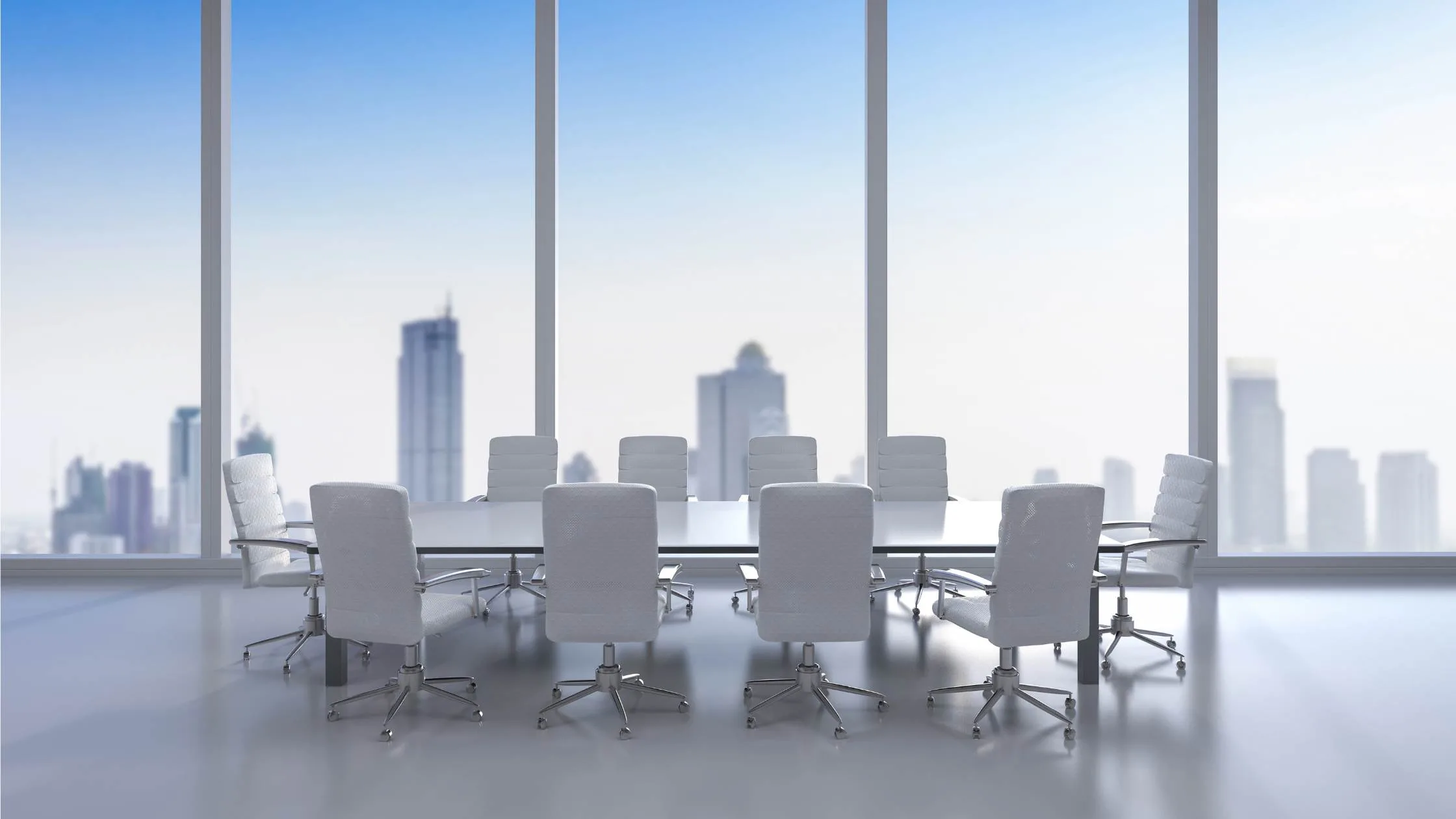
Designing a conference room that feels both modern and functional requires more than just placing a table and chairs in a transparent box. The growing popularity of conference room glass walls reflects a broader trend in workspace design that values light, openness, and elegant structure. A glass conference room offers a clean, professional aesthetic while encouraging collaboration, improving visibility, and making the best use of natural light.
In this article, we’ll walk through key layout and design strategies for glass-enclosed meeting rooms, explore their benefits for client interactions, and share maintenance tips to keep them looking their best.
Benefits of a Glass Conference Room for Client Meetings
First impressions matter, especially when meeting with clients, partners, or investors. A well-designed glass conference room conveys openness, professionalism, and modernity, all without saying a word.
Here’s how glass walls enhance the meeting experience:
- Transparency builds trust: Clients feel welcomed into a workspace that’s open and honest in its layout and design.
- Aesthetic impact: The sleek lines and clear panels give a high-end look that reflects a forward-thinking company culture.
- Light-filled environment: Natural light improves mood, clarity, and comfort, making meetings more enjoyable and productive.
- Visual connection to the broader office: Visitors can sense the energy and activity of your team even while in a private setting.
In short, glass conference rooms demonstrate attention to detail, transparency in communication, and a well-organized business approach.
Space Planning and Visual Balance
Creating a great glass conference room starts with good space planning. The layout should support ease of use, comfortable movement, and proportional aesthetics.
Key planning tips include:
- Right-sizing the room: Match the room size to your typical meeting size. Avoid oversized rooms for small teams or cramped tables in narrow layouts.
- Leave circulation space: Ensure ample walking room around the table, between seating, and at doorways.
- Align with external architecture: Position the room to make the most of external windows or existing sightlines.
- Anchor the space visually: Use rugs, ceiling features, or pendant lighting to create a focal point and give the space grounding within the broader office.
Glass walls can make a space feel expansive, but poor planning can make it appear cluttered or disproportionate. Layout and visual rhythm are just as important as transparency.
Managing Glare and Reflection in Glass Spaces
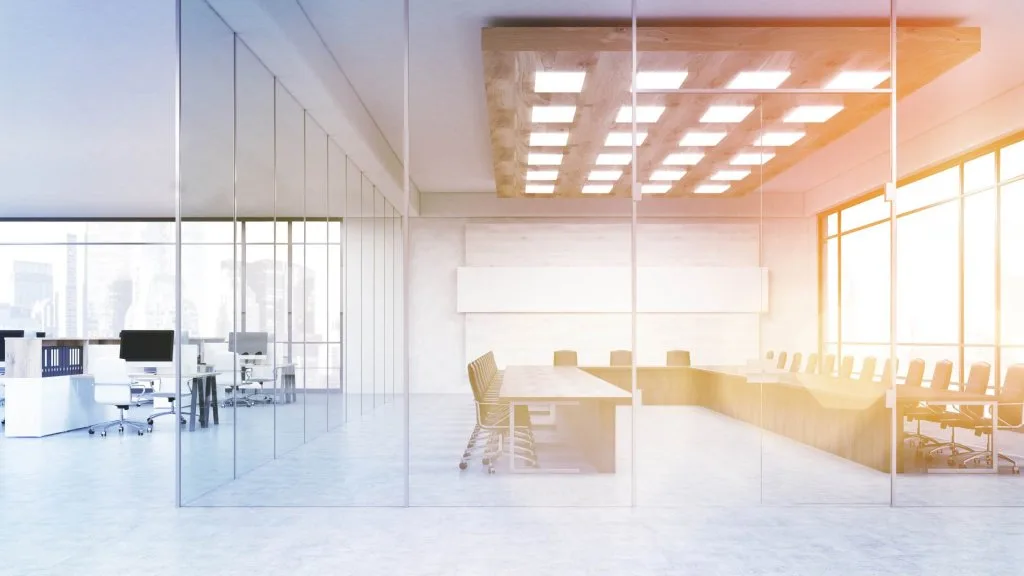
One challenge that comes with using a lot of glass in conference room design is managing glare and reflection, especially when natural light is involved. These issues can affect comfort and screen visibility during presentations or video calls.
Here are strategies to control unwanted glare:
- Orient the room wisely: Position glass panels and screens to minimize direct sunlight on viewing surfaces.
- Use frosted or tinted glass: These treatments reduce reflectivity while maintaining a light, open feel.
- Incorporate window coverings: Sheer blinds or shades on exterior-facing windows can soften harsh light during peak hours.
- Install matte finishes on nearby surfaces: Prevent bright light from bouncing off conference tables, walls, or floors.
- Choose low-reflective glass options: Some glass types are specifically engineered to reduce glare and help maintain screen clarity.
When properly managed, the visual comfort of a glass conference room can rival or exceed that of traditional enclosed rooms.
Examples of Effective Glass Conference Room Design
Looking for inspiration? The most successful glass conference rooms blend practicality with thoughtful styling. Here are a few ideas that have proven effective across industries:
- Minimalist executive room: Frameless floor-to-ceiling glass panels, a large wooden table, integrated lighting, and a seamless AV wall—ideal for board-level meetings.
- Creative team hub: A smaller space with writable glass walls, moveable chairs, and pendant lights—encourages agile brainstorming and daily check-ins.
- Client-facing showcase: Positioned near the entrance, with frosted privacy strips, a digital welcome screen, and high-end seating—perfect for pitches and presentations.
- Hybrid work-ready space: Equipped with glass walls, smart privacy film, acoustic insulation, and built-in video conferencing gear—designed for remote and on-site collaboration.
Each of these examples shares a few common traits: balance, function, and intentional detail.
Tips for Maintaining Glass Cleanliness and Clarity
A glass conference room’s appeal lies in its transparency and polish—but it also requires regular upkeep to preserve that clean look. Smudges, fingerprints, or dust can quickly make a sleek room feel neglected.
Keep your glass meeting spaces crystal clear with these maintenance tips:
- Use microfiber cloths: Avoid paper towels, which can leave streaks or lint.
- Apply non-abrasive cleaners: Choose commercial glass sprays or a vinegar-water mix for gentle, effective cleaning.
- Schedule regular cleaning: Daily wipe-downs for high-touch areas (handles, doorframes), and weekly full-panel cleaning.
- Protect floor-to-glass joints: Use base seals or minimal framing to prevent dirt buildup where the glass meets the floor.
- Avoid harsh chemicals: Stay away from ammonia-based cleaners that can damage certain glass coatings or nearby hardware.
Maintaining a spotless glass room not only keeps the space visually appealing but also reflects positively on company culture and professionalism.
Designing with conference room glass walls offers a unique opportunity to create meeting environments that feel open, refined, and future-ready. By planning carefully, managing light effectively, and integrating thoughtful features, your glass conference room can become the heart of collaboration and client connection within your office.
Whether you’re updating a small team space or crafting a high-profile boardroom, glass offers the flexibility, transparency, and sophistication that modern workplaces demand.
