


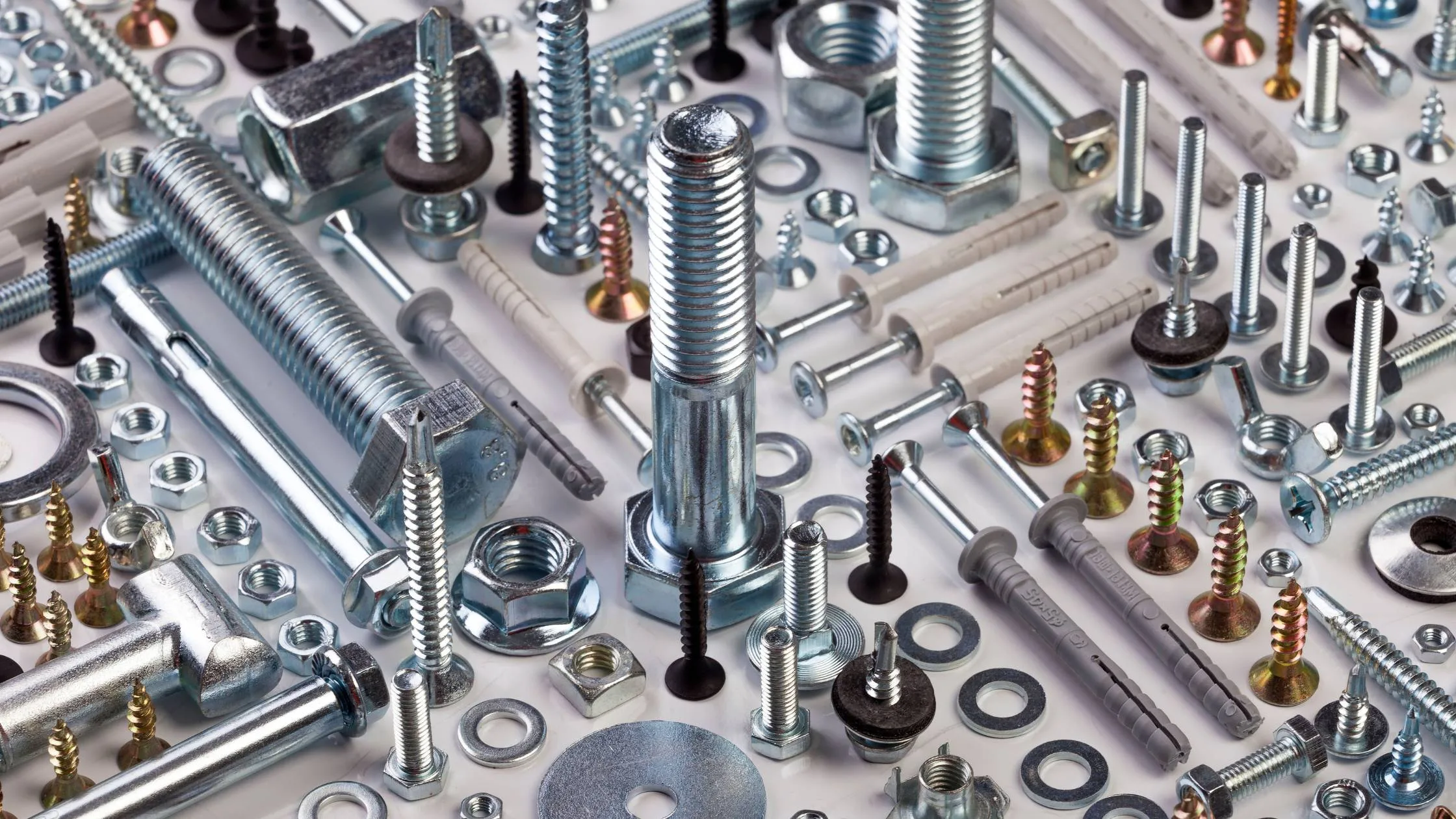
Fasteners may be small, but they play a huge role in keeping businesses running smoothly. When they fail, entire operations can come to a standstill, leading to costly delays and frustration. For small businesses, these disruptions can be particularly damaging, impacting productivity and customer satisfaction.
From loose bolts to corrosion issues, fastening problems can sneak up on even the most prepared business owners. Addressing these challenges head-on can save time, money, and resources. It’s not just about securing materials. It’s about securing your business’s future. Understanding the importance of reliable fasteners can make all the difference.
The Problem of Inconsistent Supply and Quality
One of the most frustrating challenges small businesses face is inconsistent fastener quality. Sourcing fasteners from unreliable suppliers often results in inconsistent batches, where one order works perfectly and the next falls short. Poor-quality fasteners can lead to machine breakdowns, weak structures, or worse—complete product failure. This inconsistency affects operations and the trust customers place in the business.
Using subpar fasteners might seem like a quick way to cut costs, but it typically leads to higher expenses down the line. Replacing failed parts, dealing with downtime, and managing customer complaints all add up quickly. Investing in quality fasteners from the start prevents these headaches.
Sourcing the Right Fasteners for Specific Needs
Compatibility issues are another common hurdle. Small businesses often face problems when the fasteners they purchase don’t quite fit the materials or equipment they’re working with. Even slight mismatches can cause significant damage, whether it’s a machine malfunction or a product that falls apart too soon. Compatibility isn’t just about size; it’s also about understanding the materials and the environment in which the fastener will be used.
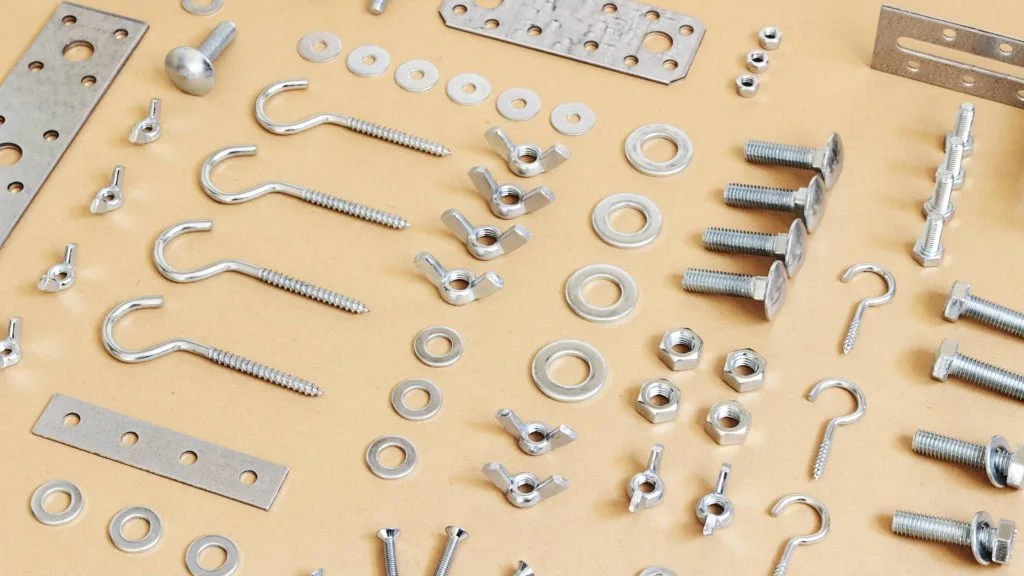
Using fasteners that aren’t suited for the job can lead to weakened structures and costly failures. For example, mixing metals like aluminum and steel without considering galvanic corrosion can lead to fastener degradation over time. Ensuring that fasteners work seamlessly with other components is crucial to avoiding such problems.
For businesses with unique requirements, sourcing custom made stainless steel bolts can offer a practical solution. These bolts are designed for durability and precision, ensuring they meet exact specifications while also offering resistance to harsh conditions. This approach not only improves compatibility but also ensures longevity, saving businesses time and money in the long run.
Managing Fastener Costs Without Compromising Quality
Fasteners may seem like a minor expense in the grand scheme of operations, but the costs can add up quickly for small businesses, especially when projects require a large volume or specialized types. Opting for the cheapest option can be tempting, but in the long run, poor-quality fasteners lead to higher costs through repairs, replacements, and potential downtime.
One way to manage costs without sacrificing quality is to consider bulk purchasing. Many suppliers offer discounts on larger orders, making it a more cost-effective solution for businesses that can forecast their fastener needs. This approach also ensures you have a steady supply on hand, reducing the risk of costly delays.
Another strategy is building relationships with suppliers that offer custom solutions. These partners can provide tailored advice and pricing options that suit your business’s specific requirements, ensuring you get the best value without compromising on performance or durability.

Environmental Factors and Fasteners Longevity
Environmental conditions play a crucial role in the lifespan of fasteners, yet many small businesses overlook this factor. Exposure to moisture, chemicals, or extreme temperatures can cause fasteners to corrode or degrade over time, especially if they’re not made from the right materials. For businesses operating in harsh conditions, choosing the wrong fastener can lead to frequent replacements and compromised safety.
Corrosion-resistant materials, such as stainless steel, are key to ensuring fasteners can withstand challenging environments. Stainless steel fasteners, in particular, offer superior resistance to rust and other forms of degradation, making them ideal for businesses exposed to moisture or chemical elements. This longevity reduces the need for constant maintenance or replacement, saving both time and money.
Ensuring Proper Fastener Installation
Even the best fasteners won’t perform well if they aren’t installed correctly. Improper installation is a common issue that leads to loose fasteners, structural instability, and frequent equipment malfunctions. For small businesses, these problems can result in downtime, costly repairs, or even safety hazards.
Training employees on proper installation techniques is essential to avoid these risks. Using the right tools for each specific fastener, ensuring appropriate torque, and following manufacturer guidelines all play a critical role in ensuring fasteners hold as they should. Without these precautions, even high-quality fasteners can fail prematurely.
Another key aspect of installation is matching the right fastener to the correct application. Different materials, such as wood, metal, or plastic, require specific fastener types and installation techniques. Using the wrong fastener or incorrect installation can lead to poor alignment, stripped threads, or weakened joints. Ensuring compatibility between the fastener, material, and tools used can prevent these issues.
Fastener Maintenance for Long-Term Performance
Regular maintenance is often overlooked when it comes to business equipment and fasteners, but it plays a vital role in ensuring long-term reliability. Over time, fasteners can loosen due to vibration, wear, or environmental exposure, which can lead to structural failures if not addressed.
Apply anti-corrosion coatings to fasteners exposed to harsh environments and periodically check torque levels to ensure fasteners remain properly tightened. Using lubricants on threaded fasteners can also reduce friction and prevent wear, making it easier to adjust or remove them when necessary. Cleaning fasteners regularly helps to avoid debris buildup, which can weaken their grip or cause them to degrade over time.
Performing routine inspections allows small businesses to catch potential problems early, before they escalate into costly repairs or downtime. Re-tightening loose fasteners, replacing corroded ones, and ensuring all components are secure are simple but effective ways to extend the life of both the fasteners and the structures they support.
Wrapping Up on Fasteners
Choosing the right ones and ensuring their proper use is critical for maintaining business operations and avoiding costly disruptions. From installation to maintenance, paying attention to these small components can make a significant difference in performance and safety. By sourcing high-quality, customized solutions and implementing regular checks, small businesses can protect their investments and enhance productivity. Addressing fastening challenges effectively is key to long-term business success.
