


Choosing the right material handling equipment is a crucial step for businesses looking to optimize their logistics and manufacturing processes. With a wide range of options available, understanding your specific needs and how different equipment can meet these requirements is essential. This blog will guide you through evaluating and selecting the most suitable material handling equipment solutions for your operations, ensuring efficiency, cost-effectiveness, and safety.
Understanding Your Requirements
Before selecting material handling equipment, it is vital to understand the specific requirements of your operation thoroughly. Start by evaluating the types of materials you need to handle, including their size, weight, and shape. Additionally, consider the frequency and volume of materials that will be moved, as this will impact the type of equipment that best suits your needs. From pallet racking frames to conveyor systems, a wide range of equipment is available to handle different materials and volumes. Understanding your requirements will help you narrow down the options and choose the most suitable solutions for your business.
Types of Material Handling Equipment
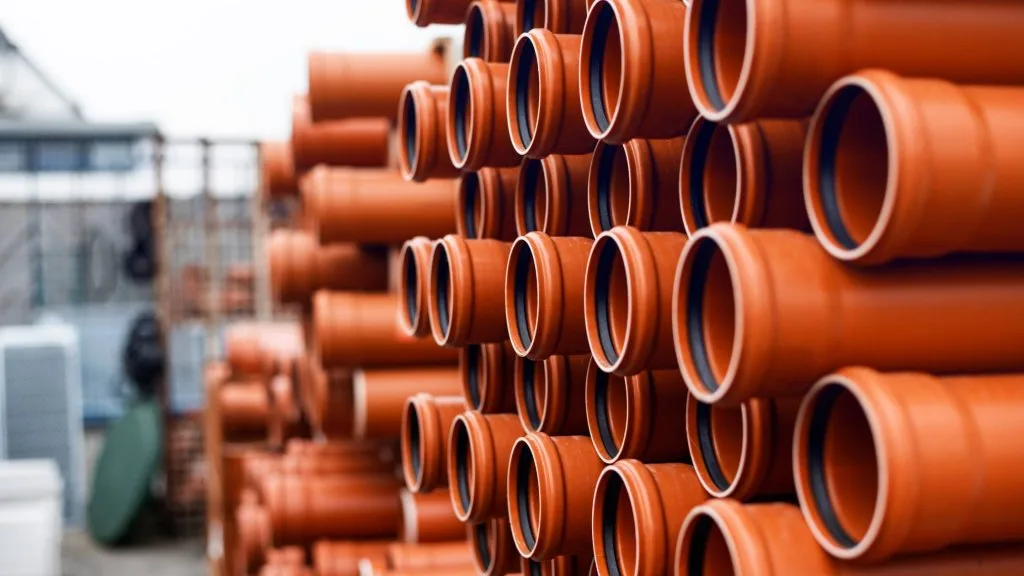
Material handling equipment is broadly categorized into several types, each suited for different functions within a logistics or manufacturing operation. One of the most commonly used types is storage and handling equipment, which includes items like shelving, pallets, and containers that help organize materials in warehouses. Another key category is industrial trucks, which are utilized to transport materials over variable distances. These can range from manual hand trucks to more sophisticated forklifts, depending on the weight and volume of goods being moved.
Conveyor systems serve as another crucial type of equipment, facilitating the movement of materials along a fixed path. They are an ideal choice for applications requiring the transport of bulk quantities efficiently and consistently. Additionally, hoisting equipment, such as cranes and lifts, is a cornerstone for tasks involving heavy or awkward materials that need vertical transportation.
To enhance operational efficiency and safety further, it’s also vital to consider automated systems. These include robotic arms and autonomous guided vehicles, which minimize labor costs and reduce the risk of human error. By understanding the functions and advantages of each type of equipment, businesses can make informed decisions that align with their operational needs and strategic goals.
Evaluating Equipment Features and Capabilities
Once you have a clear understanding of your operational requirements and the various types of material handling equipment available, the next step is to evaluate the specific features and capabilities that each option offers. Begin by assessing the equipment’s load capacity to ensure it matches your material weight and volume needs. Additionally, consider the durability and maintenance needs of the equipment to ensure longevity and minimal downtime.
Look for features that enhance safety, such as ergonomic designs and built-in safety mechanisms. It’s also important to evaluate the ease of integration with your existing systems and processes, as equipment that complements your current operation can significantly enhance productivity. Finally, consider the technological capabilities, such as automation and smart features, which can streamline operations and provide real-time data insights for better decision-making.

Considering Budget and Cost-Effectiveness
While selecting material handling equipment, budget and cost-effectiveness play a pivotal role in the decision-making process. To ensure you make a financially sound investment, start by establishing a clear budget that aligns with your capital expenditure capabilities and overall business goals. It’s important to consider not only the upfront purchase price of the equipment but also the long-term costs associated with ownership. These include maintenance, repair, and operational expenses, which can significantly impact your overall budget over time.
Consider the potential return on investment (ROI) each option offers. Equipment that enhances efficiency reduces labor costs and minimizes downtime can deliver substantial cost benefits over its lifetime. Assess if leasing, buying used equipment, or financing options might provide a more budget-friendly solution without compromising on quality or functionality.
Some material handling equipment might qualify for tax incentives or grants aimed at improving efficiency and sustainability in industrial operations. Researching available financial aid can further ease budget constraints. By carefully evaluating both initial costs and long-term financial implications, businesses can select equipment that meets operational needs without overextending fiscal resources, thereby turning material handling into a strategic advantage.
Ensuring Safety and Compliance
Safety and compliance are paramount when selecting and using material handling equipment. Adhering to industry safety standards not only helps protect your workforce but also prevents costly legal liabilities. Begin by ensuring that all equipment meets the latest safety certifications and regulations relevant to your sector. Regular safety audits and inspections should be conducted to identify potential hazards or necessary adjustments to equipment. Investing in equipment with advanced safety features, like automatic shut-offs and alert systems, significantly reduces the risk of accidents.
Training your staff on safe handling practices is critical to fostering a culture of safety. This includes instructing operators on the correct use of equipment, understanding loading limits, and recognizing early signs of equipment failure or wear. Implementing a comprehensive safety protocol and ensuring that all team members are familiar with emergency procedures can further mitigate risks. Engaging with professional safety consultants can also provide valuable insights into maintaining compliance with evolving safety regulations.
Making the Final Decision on Material Handling Equipment
Concluding the selection process of material handling equipment involves synthesizing all the information gathered regarding requirements, equipment types, features, budget, and safety. Begin by reviewing how well each option aligns with your identified operational needs and long-term business goals. It might be beneficial to involve cross-functional teams in the decision-making process to ensure that different perspectives and expertise are considered. Additionally, conducting a cost-benefit analysis can help quantify the impact of each option, particularly in terms of efficiency gains and potential returns on investment.
Once potential choices are shortlisted, consider conducting trials or requesting demonstrations from vendors to assess real-world performance and compatibility with your existing systems. Vendor reliability and support services should also be scrutinized, as these can significantly affect the longevity and efficacy of your investment. After thorough evaluation, prioritize transparency and communication when finalizing your decision, ensuring all stakeholders are informed and aligned with the final choice.
Selecting the appropriate material handling equipment is a strategic decision that can dramatically influence a business’s operational efficiency, safety, and bottom line. By thoughtfully assessing your specific needs, understanding the range of available options, and carefully weighing factors such as cost, durability, and safety compliance, you can make informed choices that enhance productivity and support your business goals. The integration of advanced technologies and automation should also be considered to stay ahead in an increasingly competitive landscape. Ultimately, a methodical and comprehensive selection process not only ensures optimized material flow but also contributes to a safer and more sustainable workplace, driving your business toward continued success.
