


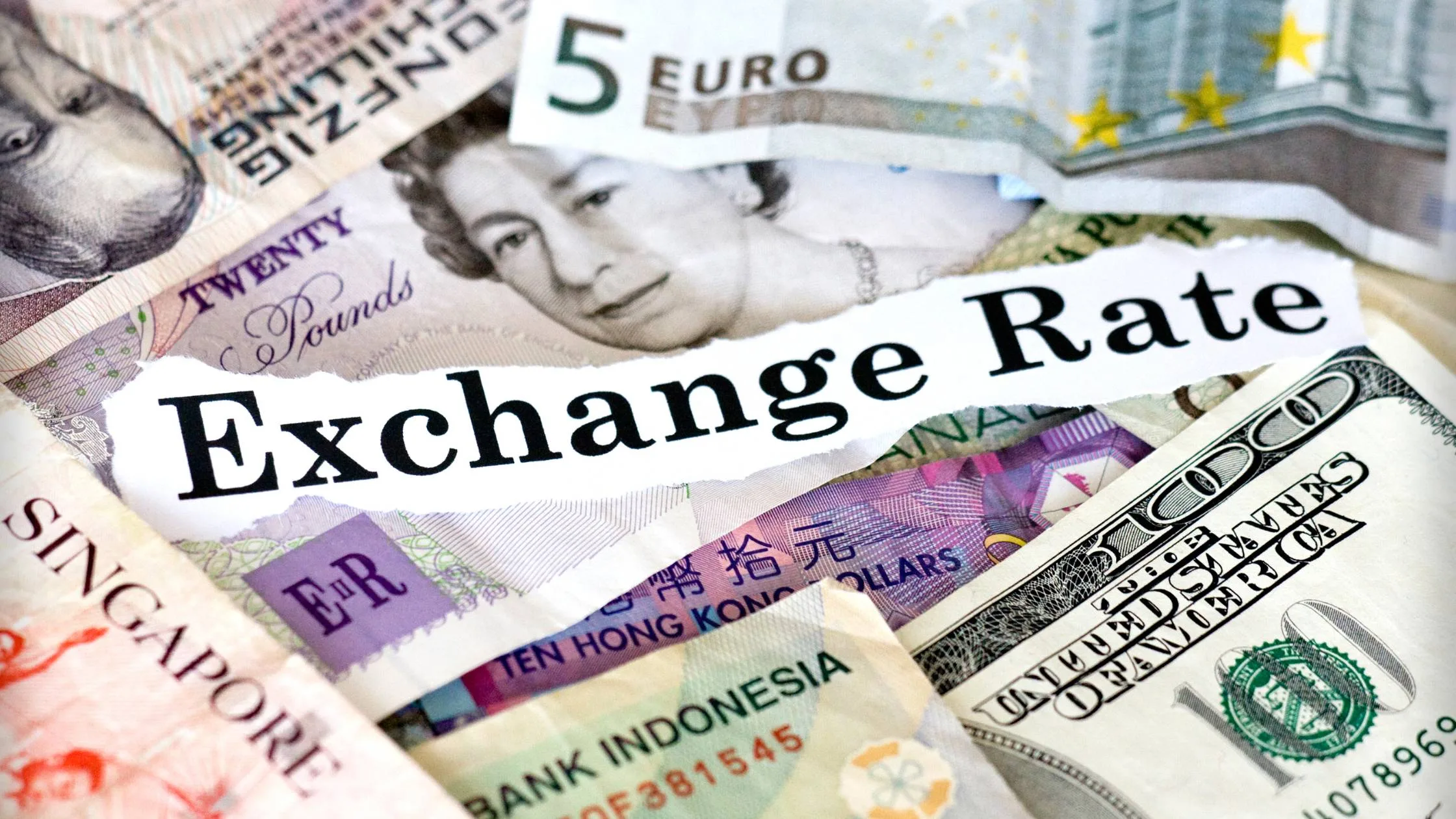
Exchange rate tracking tools are helpful whether you occasionally use a foreign currency or regularly deal with international payments. Some even speculate on exchange rate differences using software like MetaTrader4 for profit. Learn about the importance of exchange rate tracking and how potential traders can benefit from changes.
The Purposes of Exchange Rate Tracking
For several reasons, keeping abreast of the latest changes in the ever-fluctuating exchange rates of different currencies is critical.
Investing
Investors should remain current on the latest exchange rates — this is where platforms like the MT4 trading software come into play. These individuals need to make quick decisions to manage risks and generate more profit, given the speed of the fluctuations.
Tourism
Tourists visiting an international destination must know how much they need to convert their local currency into the country they plan to visit. Although some visit a brick-and-mortar bureau de change, they can find the exchange rates with many online tracking tools.

Foreign Payments for Personal or Business Purposes
Being informed of rate variances is crucial for those regularly receiving funds denoted in foreign currency. In case of any unfavorable changes, they are more prepared. They may also find methods to offset the risks to ensure they receive value equivalent to their native medium of exchange.
Ranking Economies
Investors will be interested in the strength of one currency versus another. Analysts use exchange rates as barometers to compare the weakest and most robust economies. Traders can use fundamental and technical analysis to capitalize on future trends where the exchange rates change with new economic conditions.
How Do Exchange Rate Tracking Tools Work?

These tools use APIs (Application Programming Interfaces) sourced from large financial data providers and central banks and operate 24/7. They come in various types, like online currency converters, currency forecasters, and payment platforms across mobile, desktop, and web-based applications.
Such tools provide accurate, real-time (and historical) data on the latest fluctuations covering a substantial range of foreign currency pairings. Basic tools allow customers to simply input an amount of one currency and respond with a value in the chosen currency. For instance, a European trader who wants to know the value of €10 adds 10 in the ‘euro’ field and sees its worth in USD terms.
Other apps are more advanced, with dynamic scrolling charts, breaking news, an economic calendar, and the ability to view live rates for multiple currencies simultaneously. Then, software like the MT4 trading platform offers a comprehensive charting experience for traders to speculate in foreign exchange.
What Influences Exchange Rates?
Now that we know about the benefits of tracking exchange rates and their tools, what influences them? As expected, there rarely is ever a single factor that causes one currency to strengthen or weaken against another at any given time. It boils down to supply and demand.
Differences in Inflation Figures
The Consumer Price Index measures the differences in inflation figures. Generally, a country with lower inflation has a stronger currency than a nation with higher inflation. The former boasts greater purchasing power, making its currency more valuable.
Differences in Interest Rates
Higher rates attract more foreign capital and offer lenders in a country better returns. Both of these result in a more valuable currency. The opposite is, of course, true.
Public Debt
This concept is also related to inflation and interest rates. Substantial deficit financing often accompanies the government increasing the money supply, causing inflation. This makes a currency weaker compared to another, which has less debt.
Political Stability
Politics plays a significant role in exchange rates. Factors include economic stances, elections, geopolitical tensions, social unrest, etc. The simple idea is that a nation with less political turmoil is more attractive for foreign investment, increasing demand for the domestic currency. The opposite is true.
Finally, speculation is also another determining factor. Ultimately, a large group of investors always exists with their reasons to be bullish or bearish about a particular forex market. The MT4 trading platform provides the simplest yet most effective environment.
Should You Trade Exchange Rates?
Tracking exchange rates is the most prevalent activity in trading forex, particularly among retail or ordinary traders, and one of the most critical aspects is using a trusted and regulated platform. This market carries a high risk due to leverage, predictive difficulty, and other factors. Yet, many traders manage to join the very successful traders through years of experience, risk management, and advanced strategies. Foreign exchange rates change continuously, with constant activity in the most traded financial market: forex. Hence, it affects everyone, from casual tourists to large businesses.
